



🌿 Buy Acacia Confusa Root Bark (ACRB) | Premium Organic Root Bark from Taiwan
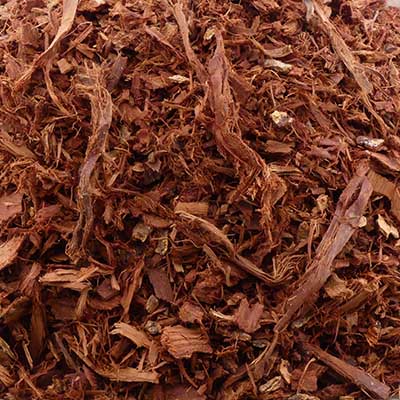
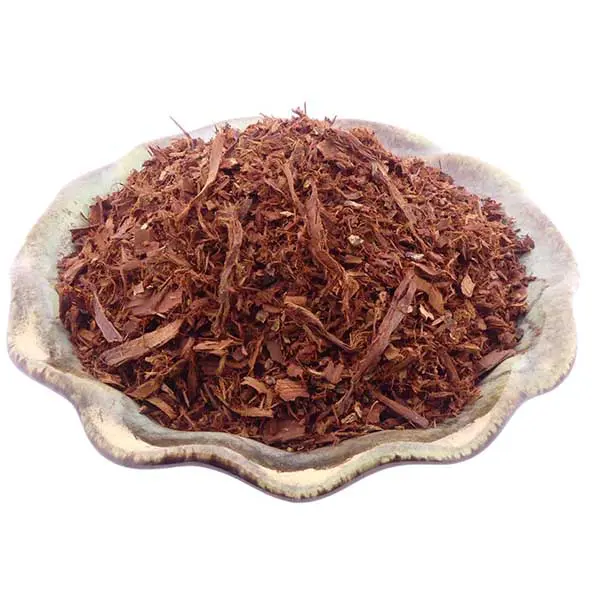
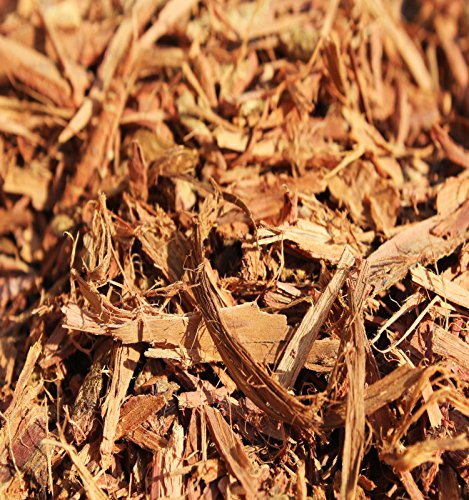
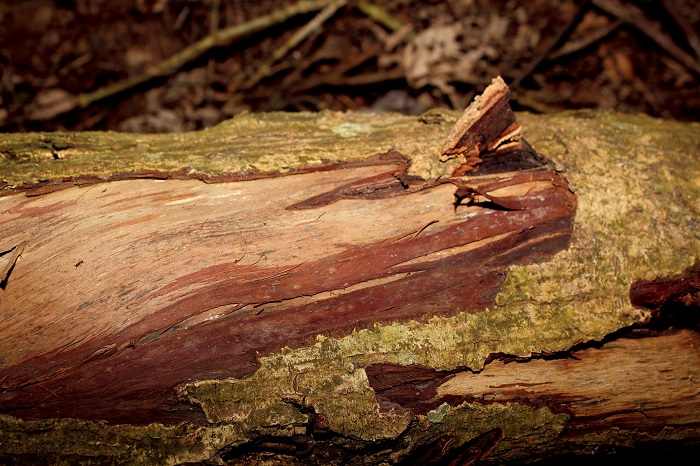
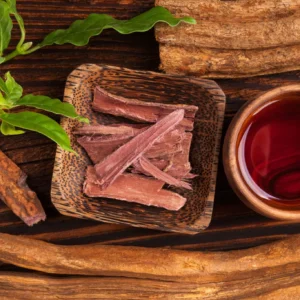
Our Acacia Confusa Root Bark (ACRB) is ethically sourced from Taiwan, where skilled local farmers collect fallen trees naturally during the rainy season. This ensures a sustainable and environmentally friendly harvest that maintains the forest ecosystem. We’ve worked with this trusted family farm for years, guaranteeing consistent, high-quality root bark with remarkable purity and potency.
🧬Acacia Confusa Root Bark Product Overview
| Specification | Details |
|---|---|
| Botanical Name | Acacia confusa |
| Common Names | Formosa Acacia, Small Philippine Acacia, Taiwan Acacia, Formosan Koa |
| Origin | Taiwan (Sustainably Sourced) |
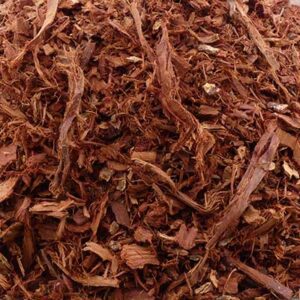
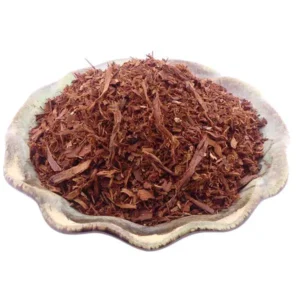
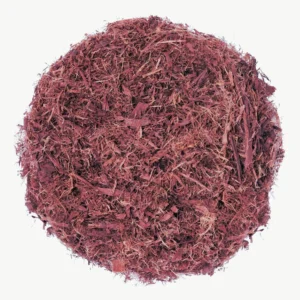
| Form | Whole Root Bark / Shredded Root Bark |
| Family | Leguminosae (Pea Family) |
| Purity | 100% Natural, No Additives |
| Sustainability | Harvested from Naturally Fallen Trees |
| Use | Research, Dye Extraction, Ethnobotanical Study, Traditional Craft |
🌱 Cultural and Traditional Use
In Taiwanese ethnobotany, Acacia confusa (相思樹) has long been valued for its healing, dyeing, and grounding properties. Folk herbalists have historically used its leaves and bark in traditional medicine for wound care, blood circulation, and general wellness support. Buy Acacia Confusa Root Bark
Today, the root bark is also used in natural dye extraction, producing deep, rich tones ideal for artisans, leather workers, and herbal skincare formulators.
Those who value traditional plant wisdom often compare ACRB with Mimosa Hostilis Root Bark — another legendary natural dye source known for its vivid color and purity.
🌍 Acacia Confusa Root Bark Habitat and Characteristics
Acacia confusa is a perennial evergreen tree native to Southeast Asia, thriving in tropical and subtropical regions like Taiwan and the Philippines. The wood is dense (≈0.75 g/cm³) and highly durable — commonly used in construction, charcoal-making, and environmental restoration projects.
This tree’s deep root system supports soil stabilization and air quality improvement, making it a valuable species for reforestation and carbon sequestration initiatives.
To learn more about the ecological value of Acacia confusa, visit Kew Science Plants of the World.
🔬 Scientific and Industrial Significance
-
Contains high levels of natural tannins (23–35%), ideal for dyeing fabrics and tanning leather.
-
Rich in alkaloids and phytochemicals currently being studied in phytochemistry and pharmacognosy.
-
The aqueous leaf extract has shown antioxidant and antimicrobial potential, according to traditional Chinese medicine sources.
-
Supports sustainable forestry and soil conservation due to its robust, erosion-preventing root system.
For more information on Acacia tannins and industrial applications, see ScienceDirect’s Acacia Research Collection.
🌺 Why Choose Our Acacia Confusa Root Bark?
-
✅ 100% Organic and Wild-Harvested
-
✅ Ethically Sourced from Taiwan
-
✅ Laboratory-Tested for Purity and Quality
-
✅ Perfect for Research, Dyeing, and Herbal Formulations
-
✅ Packaged for Freshness and Sustainability


Reviews
There are no reviews yet.