
Mimosa Hostilis Root Bark Powder (MHRB) has become one of the most sought-after natural dye ingredients for artists, textile creators, and organic skincare formulators. Its deep purple hues, high tannin content, and long-lasting colorfastness make it a favorite among natural dyers looking for rich, vibrant, and eco-friendly results.
Whether you’re a beginner or a professional textile artist, this 2026 Buyer’s Guide explains why Mimosa Hostilis Root Bark Powder is transforming the world of natural dyeing and how to choose the right quality for your projects.
What Makes Mimosa Hostilis Root Bark Powder Unique?
Mimosa Hostilis (also known as Jurema or Tepezcohuite) is a tree native to South America and well-loved for its extremely high dye potency. The inner root bark, when powdered, releases a powerful purple-red pigment that binds exceptionally well to natural fibers.
Key Benefits:
- ⭐ Produces vibrant purple, pink, brown, or wine-red tones
- ⭐ High tannin levels, making it excellent for dye fixing
- ⭐ Works without harsh chemicals
- ⭐ Long-lasting colorfastness
- ⭐ Perfect for wool, cotton, leather, and silk
If you’re aiming for bold, rich color effects, MHRB offers a natural solution that still outperforms many synthetic dyes.
How MHRB Enhances Your Natural Dye Projects
1. Stronger, Richer Pigmentation
Compared to other natural dyes, Mimosa Hostilis produces a deeper saturation even at lower dye concentrations. This means you use less product while still achieving intense color.
2. Excellent for Layered Dye Effects
Because of its tanning properties, MHRB works beautifully for:
- Tie-dye
- Shibori dyeing
- Ombre gradients
- Eco-printing
3. Versatile Across Fabrics
Whether you’re dyeing cotton shirts or wool yarn, the powder binds smoothly into the fibers and delivers uniform color.
4. Natural, Skin-Safe, and Eco-Friendly
Artisans prefer MHRB because it avoids the toxic chemicals found in synthetic dyes ideal for environmentally conscious creators.
🧪 How to Use Mimosa Hostilis Root Bark Powder for Dyeing
Here’s a simple step-by-step method:
- Boil water in a stainless steel pot.
- Add Mimosa Hostilis Root Bark Powder (10–20g per 100g of fabric).
- Simmer for 45–60 minutes.
- Strain the mixture to remove solids.
- Add your pre-washed fabric to the dye bath.
- Keep on low heat for 1–2 hours, stirring occasionally.
- Remove, rinse, and air-dry.
Optional: Use natural mordants like alum, vinegar, or iron water for shade variations.
2026 Buyer’s Guide: How to Choose the Best Mimosa Hostilis Root Bark Powder
Before purchasing, pay attention to the following:
✔ 1. Color and Texture
High-quality MHRB should have:
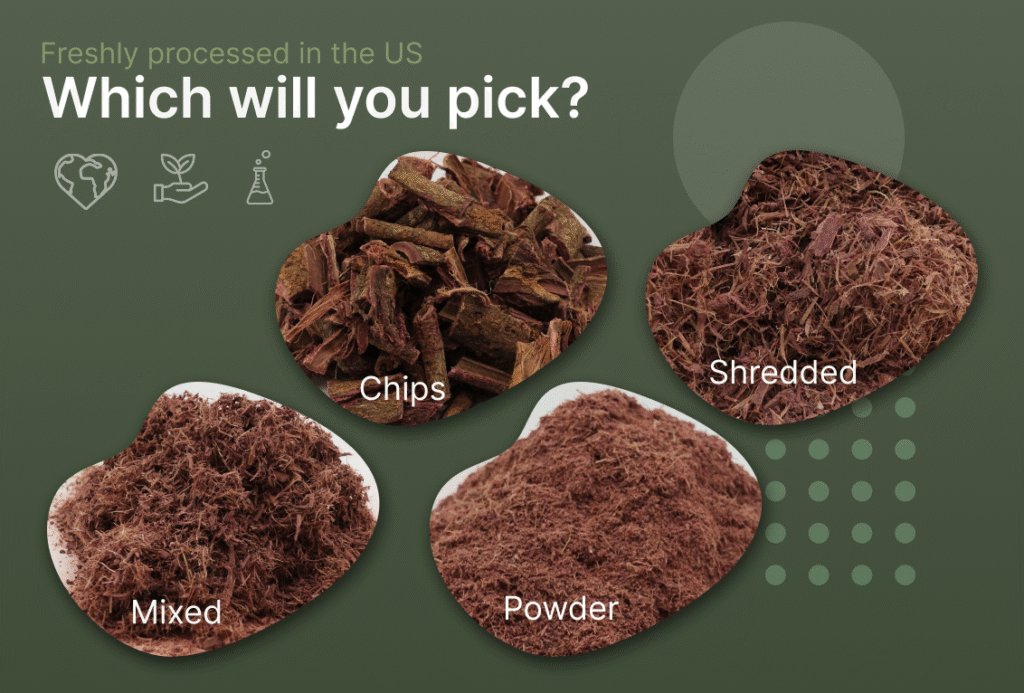
- Fine powder texture
- Deep red or purple-brown appearance
✔ 2. Origin
Brazilian and Mexican sources are known for producing the most potent dye-grade Mimosa Hostilis.
✔ 3. Purity
Avoid powders mixed with fillers or bark chips. Look for:
- “100% Inner Root Bark Powder”
- Lab-tested or organic-certified options
✔ 4. Freshness
Fresh powder has a stronger pigment release. Check the harvest year if possible.
✔ 5. Trusted Supplier
Choose vendors with transparent sourcing and customer reviews.
Explore Our Natural Dye Collection
These links help improve site structure and SEO:
- Buy Premium Mimosa Hostilis Root Bark Powder
- Buy Mexican Mimosa Hostilis Inner Root – Powder
- Buy Mimosa Hostilis Root Bark Whole
- Buy Acacia Confusa Root Bark
More external information
- Natural Dyeing History – Smithsonian Institute
- Tannins and Natural Colorants – ScienceDirect
- Textile Dyeing Sustainability Guidelines – Textile Exchange
- Botanical Dye Methods – Botanical Colors
Final Thoughts: Why MHRB Is the Best Dye Ingredient for 2026
Mimosa Hostilis Root Bark Powder continues to stand out in 2026 as the top-performing natural dye thanks to its incredible pigmentation, versatility, eco-friendliness, and durability. Whether you’re creating textiles for personal use or commercial sale, MHRB is the perfect ingredient for producing bold, professional-quality colors.
If you want your dyeing projects to shine this is the natural dye powder your toolkit needs.